Electronics manufacturing software and MRP for panel builders, harness makers and assemblers: component stock and suppliers, job costing and shop floor bookings, from the customer's schematic to the test sheet and the invoice.
From a one-off control panel to a harness called off every month, each job carries its own routing, costs and drawings. The routings below are typical; yours are set up the way your shop runs.
A one-off panel or a switchboard quoted as a project on a budget figure, with detail added as the design firms up, then delivered and invoiced in stages.
Each operation costed once for its setup, then per harness at the bench's hourly rate. Buy wire and terminals by the reel, and cost them by the part.
Distribution boards and power units built to order. Test sheets attach to the works order, and a certificate of conformity prints from the delivery note.
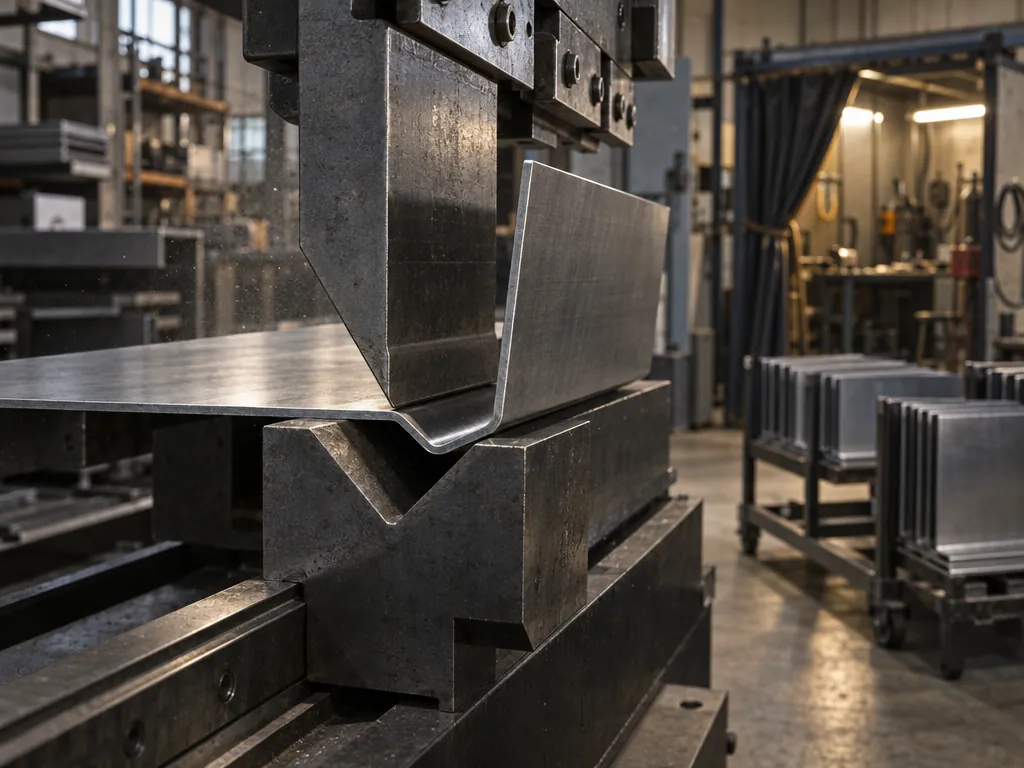
Cabinets, racks and chassis folded from sheet. A finish sent out is a bought-in cost on the job and goes on a purchase order linked to it.
Builds that change as they're made. Each change to the quote or works order is saved as a revision, and earlier ones open and download as a PDF.
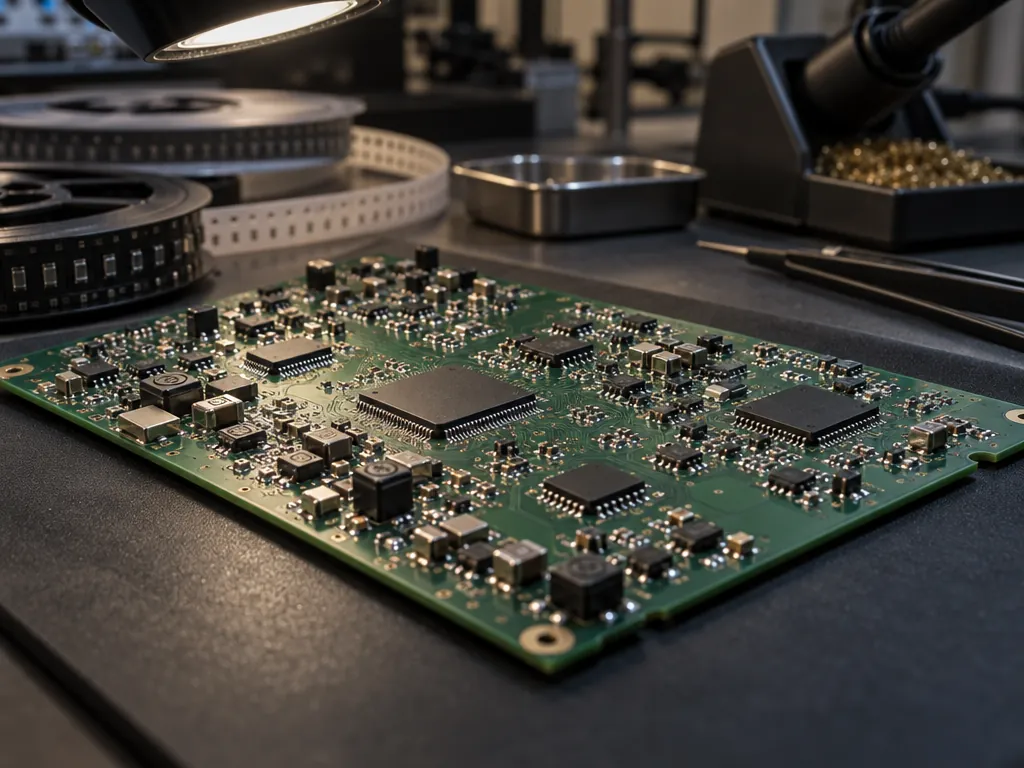
Each harness or sub-assembly you make is a Make line with its own sub-works order. PCB assemblies are bought in, or hand-built at the bench as an operation.
Units in for a fault, where the work isn't known until it's opened up. Operations are added to the works order and put in order without changing the quoted costs.
Five places a control panel, a batch of harnesses or a box build usually goes wrong, each answered by the part of Statii that handles it. Shown with electrical assembly data.
Bought-in devices, PCB assemblies and enclosures go on the costing as external costs, and parts from your shelves as inventory. Each operation goes against the bench or test bay that does it, with a setup time and a time per unit at its hourly rate. Attach the schematic; it stays with the job.
Time booked against each operation posts back to the job as it's worked, with goods received and stock taken. Actual time and cost on the works order turn red once they pass the plan; on the sales order, Estimated, Planned and Actual margin sit side by side, so a price that's too low shows before the customer orders again.
The bought-in costs on a quote become purchase orders when the customer's order is acknowledged, prefilled and linked to the works order and sales order, ready to check and send. Parts you're short of from stock are flagged on the works order, pink until something is ordered; nothing is ordered by itself.
Operators open the works order on the shop floor tablet, clock on to the operation they're doing and open the schematic from View Attachments. Each booking lands on the works order with the operator's name, the date and time, and the time booked against the job.
A harness or lead you use again and again can be an inventory item, costed on the same screen you quote on. Press Make, give a batch size and a date, and Statii raises the works order from that costing, with purchase orders for anything it buys in. Each build then takes what it needs from the shelf.
Customers often ask for component certificates, test results and a certificate of conformity with each delivery. Statii keeps each one attached to the record it belongs to.
Set an item up as batched and attach its certificate to the batch. A works order can't go ahead until its batch is allocated, and any batch traces to the job and customer it went to.
Attach test sheets, schematics and photos to the works order. Any document type, opened from the shop floor tablet, with each operator's booking stamped beside it.
Print or email a certificate of conformity from the delivery note, with your own CofC notes, and get the delivery signed for on the shop floor device.
Raise an NCR and quarantine the stock it affects. Rejected units are recorded at the operation, and the rework's cost goes to the original sales order.
Customers are audited for ISO 9001 with Statii running. Statii keeps the records; your quality system does the certifying.
A panel, a batch of harnesses or a box build runs through all six steps. Each one takes what it needs from the last, so nothing is typed twice.
Every stage inherits from the last. Nothing is re-keyed between them.
Anything else, ask the team who built it: 0115 647 2002
Yes, for make-to-order electrical and electronic assembly: control panels, cable assemblies and harnesses, box builds, enclosures and power units, made to the customer's drawing as one-offs, prototypes and repeat batches. One system takes the job from quote to sales order, works order, purchase orders for components, stock, shop floor bookings, delivery and invoice. It isn't built to run SMT lines or volume board production.
Yes. Each component is an inventory item with a buy line for each supplier: their pack size (a reel or a box, say), price and cost per unit. Stock comes in on goods received and goes out when it's taken on a works order; acknowledged orders show as expected out, and an item turns red when they need more than you'll have. Each received order shows how many days early or late it arrived. Nothing is reordered by itself: Buy is one click from the item. Statii doesn't hold manufacturer part numbers, approved manufacturer lists or alternate parts.
Yes, for low-volume work. A PCB assembly you buy in is a cost on the job or a stock item, ordered like any other part. One you hand-build at the bench is an operation with its own setup and time per board, planned on that bench's hours, and any parts it's short of are flagged on the works order. It doesn't drive SMT lines, connect to placement or test machines, or track moisture-sensitive components.
Yes, by batch. Set a component up as batched and attach its certificate to the batch; the batch is allocated on the works order before the job can go ahead, and any batch traces to the job and customer it went to. Every operator's booking is on the works order with the date and time. There's no serial-number genealogy: a unit's serial can be kept in a custom field.
Partly. Each change to a quote, sales order or works order is saved as a revision, and earlier revisions open from the record and download as a PDF. A make item's costing keeps no revision history (only a record of where the item was used and sold), and there's no engineering change control or drawing revision control.
It doesn't import a bill of materials from a spreadsheet or from design software, hold manufacturer part numbers, approved manufacturer lists or alternate parts, or control engineering changes. There's no serial-number genealogy (traceability goes to the batch), no moisture-sensitivity or shelf-life tracking beyond custom fields, no RoHS, REACH or conflict-minerals declarations (certificates attach as documents), and no ESD controls or workmanship-standard records. It doesn't connect to SMT, placement or test equipment, record component kits sent to a subcontract assembler, import CAD files or monitor machines.
Three minutes, no sales call. Or ring us on 0115 647 2022 and ask anything.
No card required · UK-based support included